HIF1a may decrease the expression of VEGF, then inhibit the angiogenesis. The researcher Vuorela using immunohistochemical method analysis found that patients with missed abortion had less expression of VEGF in trophoblast. Our study also demonstrated the expression of VEGF was statistically reduced and HIF-1a was negatively correlated with VEGF in missed abortion. When VEGF affects endothelial is tessellated among endothelial cells in the vessel area, where activation of angiogenesis takes place, the tip-cell specific characteristics are preferably acquired by endothelia cells devoid of Notch1 expression. It appears that the signaling system Dll4/Notch plays a key role in the regulation of angiogenesis.The mechanism of the Dll4/Notch associated signaling cascade that determines the differing behavior of endothelial cells is evidently connected with the intracellular signal transduction stimulated by VEGF. In hypoxic tissue, Dll4 signaling by tip cells suppress VEGFR2 expression in neighboring stalk cells via Notch pathway activation, inhibiting tip cell phenotype and ectopic sprout formation. The interplay of VEGFR2 and Notch signaling controls the angiogenic sprouting. Consistently, our study found that in induced abortion, there were positive correlations between HIF-1a, Dll4, Notch, and VEGFR2. These indicated that the low-oxygen environment, with the high expression of HIF-1a, leads to up-regulation of the ligand Dll4, while Dll4-mediated activation of Notch1 receptors in a neighboring cell activate VEGFR2 expression then promote the angiogenesis. Other Notch ligands or receptors may take part in the interaction with VEGF in the process of placental angiogenesis. However, in missed abortion, there were no correlations between Dll4 and VEGF/VEGFR1/VEGFR2, which indicated that the positive AbMole Gemifloxacin mesylate feedback between Dll4/Notch and HIF-1a-VEGF might be destroyed. In order to confirm the interaction of Dll4/Notch and VEGF pathway, HUVECs cultured on dishes were transfected with Dll4expressing plasmid. Compared with HUVECs transfected with GFP control plasmid, Dll4, Notch1 and VEGFR1 were upregulated while VEGF and VEGFR2 were down-regulated in Dll4 transfected HUVECs. In conclusion, our findings support the hypothesis that the association of HIF-1a-VEGF and Dll4/Notch1 may have a role in missed abortion. Further functional study will be necessary to determine the mechanisms of missed abortion. Neuroblastoma is a common childhood malignant tumor of neural crest origin, arising in the paravertebral sympathetic ganglia and the adrenal medulla. The clinical characteristics of neuroblastoma are heterogeneity, metastasis and high malignancy, resulting in lower survival rates in patients. During the past 15 years, treatment of NB has included high-dose 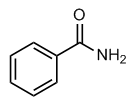 chemotherapy accompanied by autologous stem cell transplantation. Once the NB recurrence the possibility survival of patients was very small.
Several authors have associated the TGFBR2-875G A polymorphism with a decreased risk for gastric cancer
Moreover, patients with defective TGF��RII present significantly more colon polyps and preneoplastic lesions than patients with normal TGF��RII. Lu and co-workers, report that the expression of TGF��RII significantly decreased when they observed normal tissue, tissue adjacent to cancer and gastric cancer. Early reports indicate that 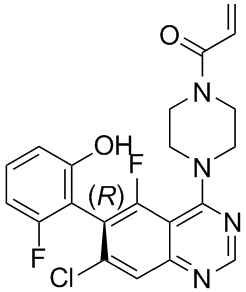 most PC become resistant to the anti-proliferative effects of TGF��1 without defined mutations or deletions in members of the Smad signaling pathway. More recently, Rojas and co-workers showed that TGFBR2 expression levels can affect the ability of TGF��1 to induce p21 and apoptosis in the V-400 colorectal cancer cell line. Furthermore, cancers that do not demonstrate mutations in any TGF��1 signaling cascade members, show down-regulated levels of TGFBR2, demonstrating the oncogenic potential of TGF��1 pathway. In the PC3 cell line, which is CR, the AR expression reduces TGF��1/SMAD transcriptional AbMole Nodakenin activity and the growth effects of TGF��1, thus preventing growth inhibition and apoptosis. According to Bruckheimer and coworkers, the treatment of LnCaP cells, that overexpress TGF��RII, with TGF��1 in the presence of DHT, can enhance the cell cycle arrest and apoptosis, through caspase-1 activation and the targeting of BCL-2. It is evident that TGF��1 signaling requires a delicate balance of interactions within the cellular and tumoral microenvironment. Deregulation of TGFBR2 expression levels and of the inhibitory SMAD7 could influence the normal cellular homeostasis and also influence cancer progression. We previously demonstrated that changes in the tumoral microenvironment can modulate PC progression with impact in response to ADT. Seijo and co-workers observed, in normal epithelial cells, that the A-to-G transition at the -875 position enhances the activity of TGF��RII, with higher luciferase activity in the presence of the A allele. Our results also suggest that the TGFBR2-875G>A polymorphism could influence the circulating expression levels of TGFBR2 in PC patients. We observed that TGFBR2-875>AG/AA patients carriers present a higher expression levels of TGFBR2 mRNA than GG homozygous and that up-regulation may be responsible for the TGF��1 signaling pathway up-regulation, inducing the cell cycle arrest and apoptosis, and consequently causing these patients to present a higher progression free-interval after the beginning of ADT. In fact we also observed that TGFBR2-875GG homozygous, which present lower circulating levels of TGFBR2 mRNA, present a higher risk for the development of tumors with higher Gleason score. In GG homozygous carriers, the lower expression levels of TGFBR2 may be associated with cellular disruptions in the TGF��1 signaling pathway and induces the acquisition of aggressive cancer phenotypes. TGFBR2-875>G/A has been the subject of investigation in several case�Ccontrol studies involving different types of cancers, with controversial results.
It is implicated in inflammatory pathologies autoimmune diseases and many cancer processes
Furthermore, beclin-1 and LC3 expression was associated with certain clinical characteristics such as tumor stage, differentiation and lymph node metastasis, and had significant impacts on the prognosis of hypopharyngeal squamous cell carcinoma patients, beclin-1 was an independent prognositic factor for overall survival. These results suggest that the autophagic genes beclin-1 and LC3 play an important role in the progression and prognosis of hypopharyngeal squamous cell carcinoma, and could be novel therapeutic targets for future treatment of human hypopharyngeal squamous cell carcinomas. However, further studies of larger scale are necessary to verify the preliminary findings in this study. ICAM-1 is a member of the immunoglobulin superfamily and is expressed by endothelial cells and leucocytes as a membrane-bound protein 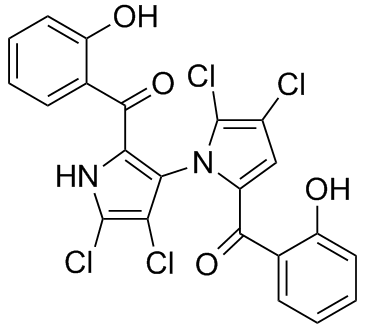 containing five extracellular Ig-like domains, a trans-membrane domain, and a cytoplasmic domain. ICAM?1 mediates adhesion and migration of leukocytes by binding to leukocyte function-associated antigen-1 and macrophage antigen-1. It furthermore acts as a receptor for human rhinovirus causing common cold and as a receptor for P. falciparum-infected erythrocytes binding to endothelial cells. P. falciparum malaria remains a major health issue causing ~200 million cases of disease and 700,000 deaths annually, AbMole BI-9564 mainly among African children below 5 years-of-age. Parasite virulence is closely related to the expression of PfEMP1 on the surface of IEs mediating their adhesion to host endothelium by binding to different vascular host receptors, including ICAM1. IE sequestration leads to inflammation, circulatory obstruction, and organ dysfunction. ICAM-1 expressed on vascular endothelial cells has been suggested as a receptor involved in the development of cerebral malaria, a severe and often fatal complication with IE sequestration in the brain. Several ICAM-1-binding PfEMP1 domains and a full length PfEMP1 molecule have previously been characterized, and we recently identified a conserved domain cassette structure in some of these. DC4-containing PfEMP1 proteins share a particular ICAM?1-binding phenotype conferred by the DBL��3_D4 domain of DC4. DC4 has been linked to the pathogenesis of severe disease and can induce cross-reactive adhesion inhibitory antibodies. However, more studies linking ICAM?1-adhering IEs to severe disease such as cerebral malaria and identifying ICAM-1binding PfEMP1 epitopes are needed before DBL��3_D4 can be put forward as a vaccine candidate. Achievement of this goal depends heavily on the availability of large quantities of high-quality recombinant ICAM-1. ICAM-1 expressed as a recombinant protein by mouse myeloma NS0 cells can be purchased commercially and has been used in various studies to demonstrate binding of P. falciparum IEs to ICAM-1. Other studies have used transfected CHO cells. Finally, COS7 cells transiently producing soluble ICAM-1 have also been wide
The importance of HAT catalytic activity was further supported by the finding p300/CBPmediated acetylation of histone H3 lysine
Both LRR and PDZ domains are required for correct localization. In our study, one of the three functional mutations was located at the third PDZ domain. Prolines were highly conserved in PDZ1 domain, and were less conserved in PDZ3 and PDZ4 domain. They were not conserved in PDZ2 domain. Two of the three functional mutations were not located in either the LRR or the PDZ domain. They were located close to the C terminal of SCRIB, after the fourth PDZ domain. This is similar to the previously published SCRIB mutation p.R1535Q. Our data, when combined with previously published results, suggested that in addition to the LRR and PDZ domains, other regions of the SCRIB protein, especially the C terminus of SCRIB, may play an important role in human SCRIB subcellular localization. We did not detect any obvious adverse effects of the mutations on the physical interaction of SCRIB with VANGL2. Although one of the conservative mutations was located in the third PDZ domain, which is the direct interaction partner with VANGL2 PDZ binding domain, it did not abolish the interaction between SCRIB and VANGL2. SCRIB has four PDZ domains, and both the second and third PDZ domain strongly interact with VANGL2. Although the p.P1043L mutation may affect the third PZD domain, the second PZD domain still could interact with VANGL2, hence compensating for some third PZD domain variations. Due to the quantitative limitation of western blot assay, there is the possibility that these mutations may partly affect the interaction between SCRIB and VANGL2 which could not be detected by Western blotting. The mammalian retina consists of three layers of neurons specialized for light detection and initial processing of visual signals. Photoreceptors are located in the outer layer, and constitute 70% of retinal cells. These cells, which convert light to a neuronal signal, contain specific cellular structures including apical membrane specializations in the “outer segment�� that capture light photons, ribbon-type AbMole Sibutramine HCl synaptic specializations for transmitting neural signals to interneurons in the inner retinal layers, and a unique nuclear chromatin organization to mediate cell-type-specific gene expression while maximizing the amount of light reaching the outer segments. The vast majority of photoreceptors in most mammalian retinas are rods, which are exquisitely sensitive to low levels of light and mediate night vision. 3�C5% of photoreceptors in mouse and human retinas are cones, which mediate color vision in daylight. Cones can be further classified on the basis of the wavelength sensitivity of the light-capturing visual pigment opsin they contain. To 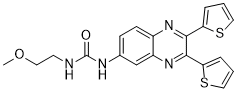 establish and maintain their structure and function, each photoreceptor subtype expresses a set of specific genes including the characteristic opsin, under the tight regulation of a network of photoreceptor-specific transcription factors.
By analogy to one-dimensional reference deconvolution methods and to image restoration in optical microscopy
Protein leakage into the extracellular environment is a key challenge for in-cell NMR studies. In the present work, the intracellular localization of  the observed resonances was verified directly by observation of the restricted translational diffusion behavior characteristic of intracellular species. One-dimensional heteronuclear diffusion measurements were recorded before and after all 3D NMR measurements, using a 300 ms diffusion delay as previously described. Using this non-invasive method, when the fraction of extracellular aSyn exceeded 5%, data acquisition was halted and a fresh sample was prepared. NMR analysis of an expression time course showed no discernable lag phase, indicating that the species being observed constitutes the major state of aSyn within the cell, in agreement with previous spectroscopic and biochemical analyses. To determine the HN, N, CO, Ca and Cb backbone chemical shifts of intracellular aSyn a series of triple-resonance BESTHNCO and BEST-HNCOCACB experiments were recorded. Each 3D spectrum was acquired in just 1�C2 hours, which is an important factor as samples were typically found to contain significant levels of extracellular species after just a few hours. Spectra were repeatedly acquired from a total of four samples, and were then summed to produce a final spectrum. Analysis of the chemical shift of the single histidine resonance showed that within 30 min of sample preparation, the intracellular pH was 6.260.1, indicating acidification of the cytoplasm consistent with that observed previously under nutrient-depleted conditions. Therefore, for comparison purposes HNCO and HNCOCACB spectra were also acquired for a sample of isolated aSyn in bulk solution at the same pH. Because of the magnetically inhomogeneous environment characteristic of the dense cell samples studied here, having cell volume fractions of ca. 30%, aSyn resonances exhibit a strong inhomogeneous line AbMole Isoforskolin broadening giving rise to diagonal lineshapes. This effect can result in severe resonance overlap even within 3D spectra. As this broadening arises from variations in the magnetic field strength within the sample, its effect is constant on a ppm scale irrespective of the type of nucleus. This is therefore a particular problem for the determination of 1H chemical shifts in disordered states, due to the small chemical shift dispersion of ca. 1 ppm. The observed spectrum can be represented in the frequency domain as the ��true’ spectrum convolved with a threedimensional point spread function that reflects the distribution of magnetic field strengths found across the sample, and which is therefore the same for all residues. We note that such line broadening cannot be eliminated using non-uniform sampling methods, although for folded proteins where resonance overlap is a less significant problem NUS sampling schemes have been demonstrated to be very effective for the rapid acquisition of in-cell NMR spectra.